
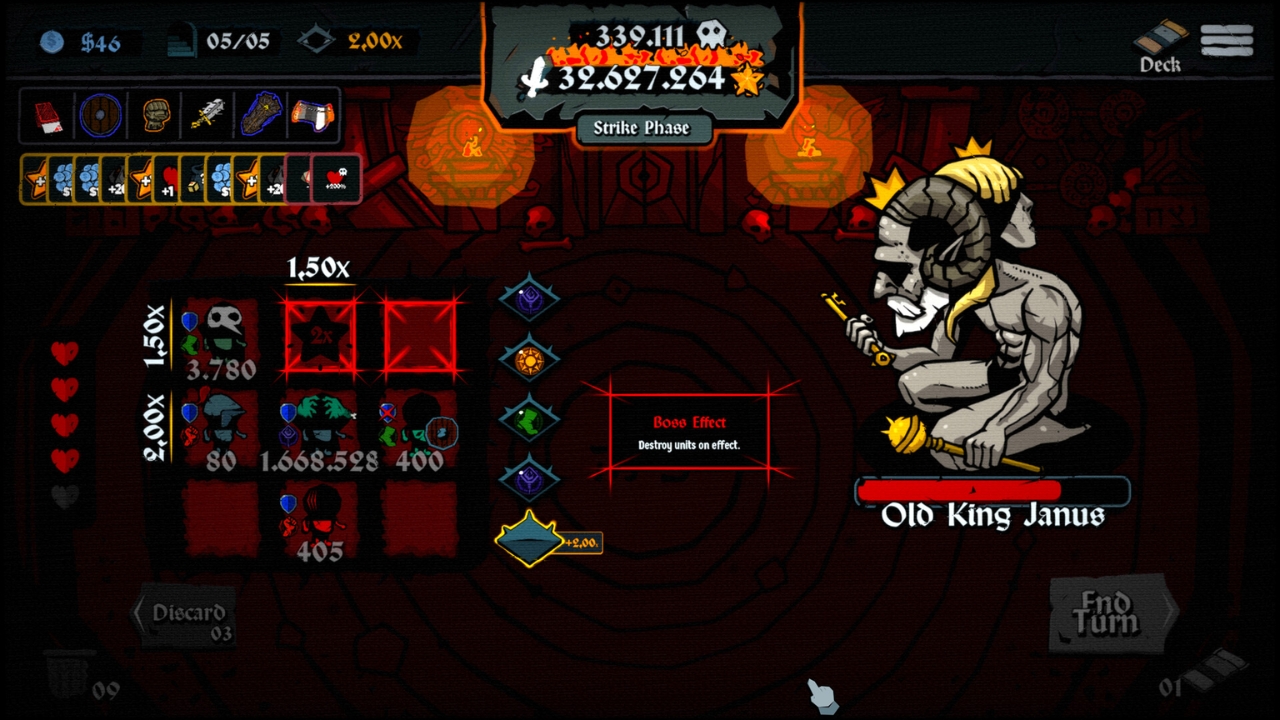
If I didn’t have anything else to do, I could have spent all of my time at PAX East playing Litany.
Here’s the elevator pitch: what if Slay the Spire and Balatro had a baby? You’d get Litany, which features the deck building and strategy of Slay the Spire, along with the combo building of Balatro.
Now, I’m obviously simplifying things here, since there’s more going on in Litany, but that’s the basic gist of things. It works so incredibly well that I haven’t stopped thinking about it.
Your deck in Litany will feature a combination of characters and items. Each character will not only do something different, but is also comprised of their own stats and traits. This comes into play because using these traits unlocks various combos when aligned with the battlefield, trinkets, or other cards. Instead of making poker hands as you would in Balatro, you’re putting together the perfect RPG party on the battlefield.
Litany is easy to pick up and hard to put down
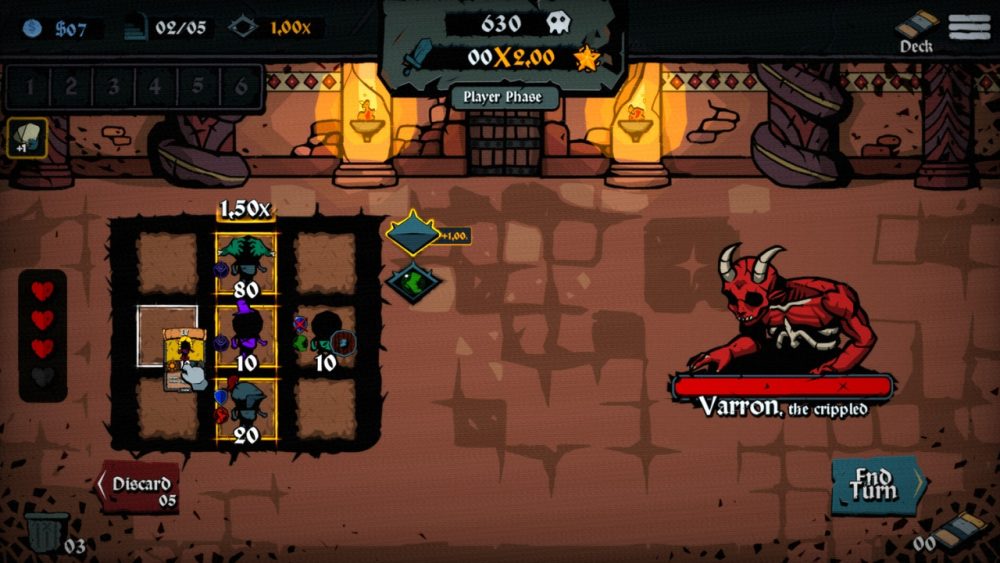
Once you’ve played through your hand, it’s time for combat to take place, and that’s where things start to get wild. Sometimes, especially starting off, it will feel reminiscent of traditional turn-based RPG combat. You’ll deal damage to the enemy, and the enemy will then retaliate against you. The difference here, though, is that your characters will die on the grid unless properly protected, and it’s time to start anew with a new deck of cards.
Or, and hear me out, instead of a slow, methodical combat, you can work to pull off insane combos and combinations with your cards to one-shot your opponents with relative ease through crazy damage multipliers. I don’t know about you, but that sounds way more fun to me. I very much enjoy the concept of “making number to up.”
The icing on the Litany cake is the game’s roguelike mechanics that ensure no two runs are the same. Granted, I feel like this is expected in the genre these days; the popularity of roguelikes alone has exploded over the years. Still, it’s something that helps keep Litany not only feeling fresh, but also keeps you on your toes. You can’t rely on what’s worked in the past. You need to keep experimenting, learn the ins and outs of different card combinations, and lean into what the game gives you.
Thankfully, Litany does this extremely well. General strategies do a great job of working together while still feeling unique to each run, allowing you to try out certain builds as you pick up the appropriate cards. There’s also a nice element of trial and error with every turn, which adds a dose of strategy to the game.
No other game from PAX East 2026 grabbed my attention like Litany
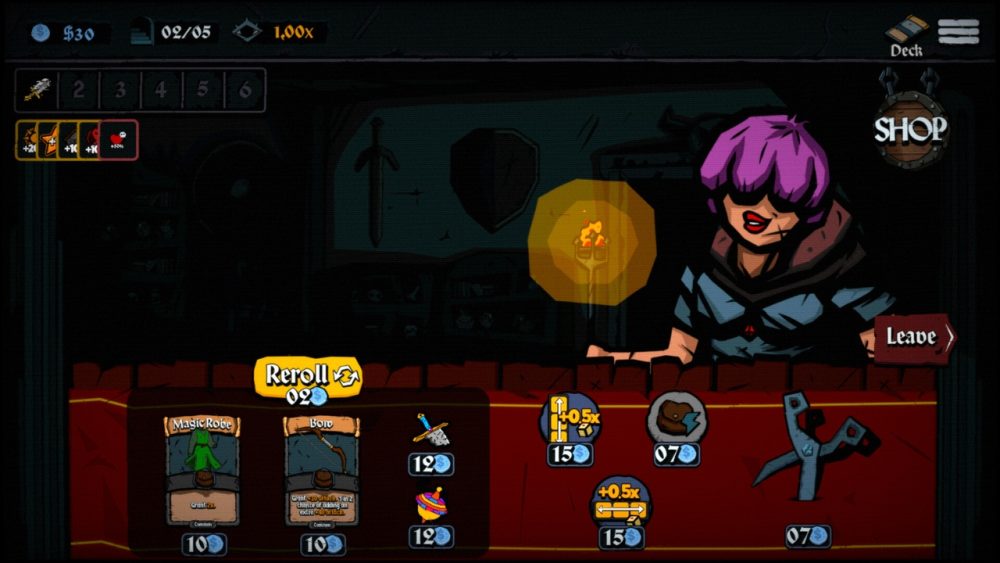
Of course, you’ll have to work your way up to become overpowered. This is where Litany’s inspiration from old school RPGs shines. It’s reminiscent of the early moments in turn-based combat games, where you’re limited in abilities and have to find a way to make do with what you have. Before long, you’re ready to fight gods and save the universe. It feels so similar to the experience in Balatro that I had to put it up on my phone just to compare. Spoiler alert: I get the same dopamine hit from Litany that I do in Balatro.
It’s here where Litany’s hook, like Balatro, truly clicks. Instead of making poker hands, you’re fighting monsters as you make your way through dungeons. It’s familiar and approachable to draw you in. The gameplay loop of building broken combos keeps you coming back for more.
Sadly, there’s no demo available on Steam, so I’ll have to (im)patiently wait to play more. Litany is easily one of the best games I played at PAX East 2026. You better believe I’ll be thinking about it until I play it again.
Follow Outrun Gaming on MSN for more content you love.
RELATED:
- PAX East 2026 – Mech Tech is the modern Advance Wars we’ve been waiting for
- PAX East 2026 – Murdeer is an addictive roguelike boomer shooter
- PAX East 2026 – PolyFighter is the fighting game roguelike we’ve always wanted