There are countless bad decisions made in Hollywood that leave studios kicking themselves after the fact. Giving hundreds of millions of dollars to a movie that flops at the box office? It’s pretty common.
Some mistakes, however, have a lasting impact on the industry. These mistakes have a far bigger impact than many realize. Think of a world where certain parts of Los Angeles don’t exist, or your favorite movie being made by a completely different studio.
With that in mind, we wanted to talk about some of the biggest mistakes in movie history, as well as the impact they left.
Blockbuster refuses to buy Netflix
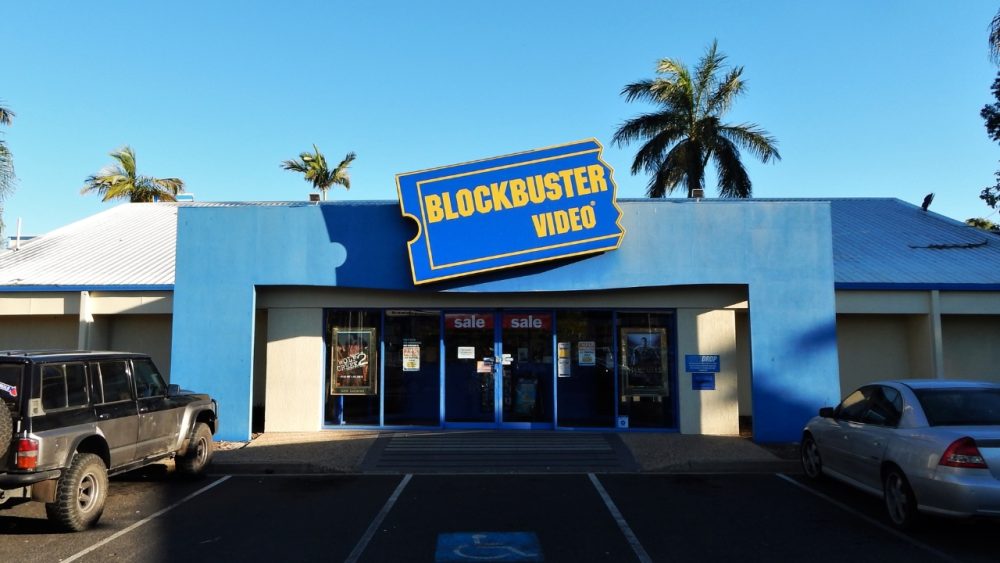
Blockbuster Video was the place to be in the 1990s. You’d see your friends and neighbors all browsing the latest movie and game releases you and your family would watch on the weekend. You’d grab popcorn, snacks, and plan an evening around what you picked.
Through the advancement of streaming technology, the rental experience would drastically change in the 2000s, and a company called Netflix was not only delivering rental DVDs straight to your door, but would eventually offer the ability to let you watch movies and television shows over the internet. Before all of that happened, though, Blockbuster had a chance to purchase Netflix in 2000 for $50 million. They didn’t, and now they’re a relic of enteratinment history.
Netflix, meanwhile, generated over $45 billion in revenue in 2025.
Sony refuses to buy Marvel
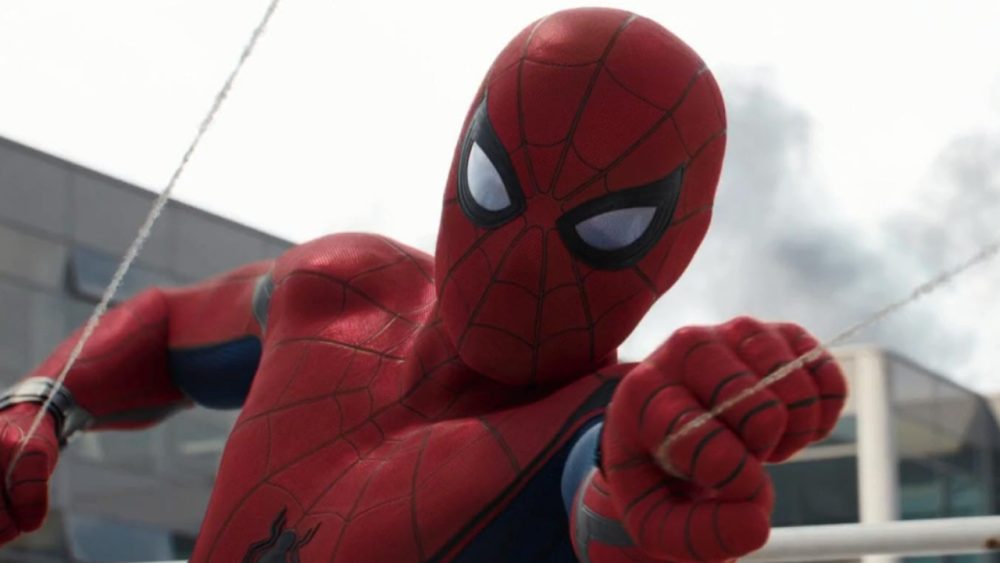
While on the topic of regret, you can’t help but wonder how Sony feels about turning down the option to buy the movie rights for Marvel in the late ’90s.
$25 million seems like a steal considering the strength of the Marvel Cinematic Universe today, even as it still struggles in popularity after Endgame.
Instead, they only purchased the rights to Spider-Man. They also infamously said, “nobody [cares] about any of the other Marvel characters.” Ironically, moviegoers have demonstrated that nobody cares about the random Marvel characters we’ve seen from various Sony movies over the years. Meanwhile, the Guardians of the Galaxy franchise has grossed billions at the box office.
Warner Bros. rushes the D.C. Universe
Once everyone realized that comic book movies were the next big thing, everyone wanted to get in on the action. As I alluded to, Sony tried to make do with the Venom franchise, which did well enough at the box office. The less said about Morbius and Kraven the Hunter, though, the better.
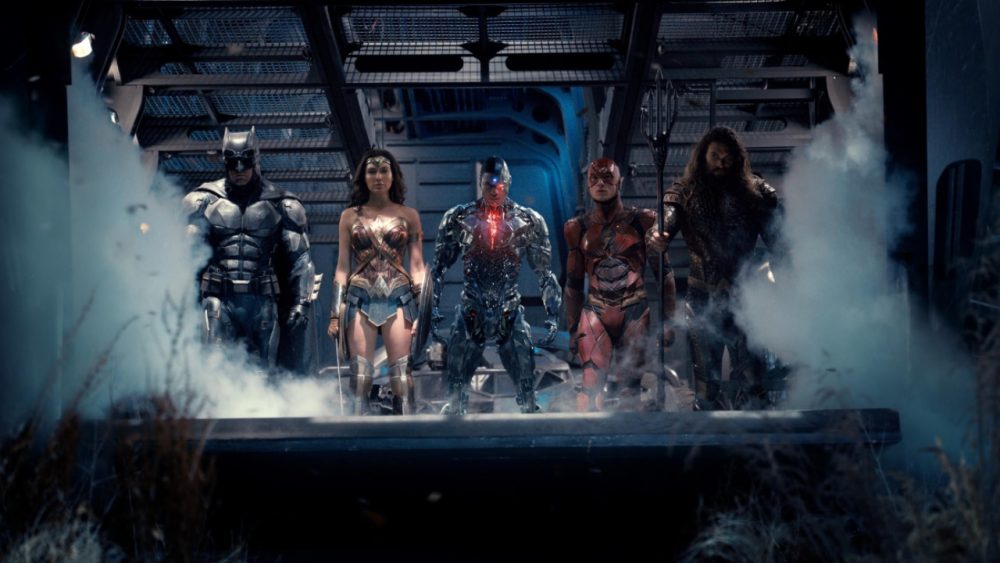
Warner Bros., who owned the rights to D.C. Comics characters, wanted to get in on the action, too. I mean, what’s better than a build-up to a proper Justice League movie? Well, about that.
There was no proper build-up. Instead, it was a complete sprint to rush through everything, including a disappointing Batman v. Superman movie, and then quickly release a Justice League movie that tries to cram way too much in during its 120-minute run time.
Follow us on MSN for more of the content you love.
Nearly every studio passes on The Lord of the Rings
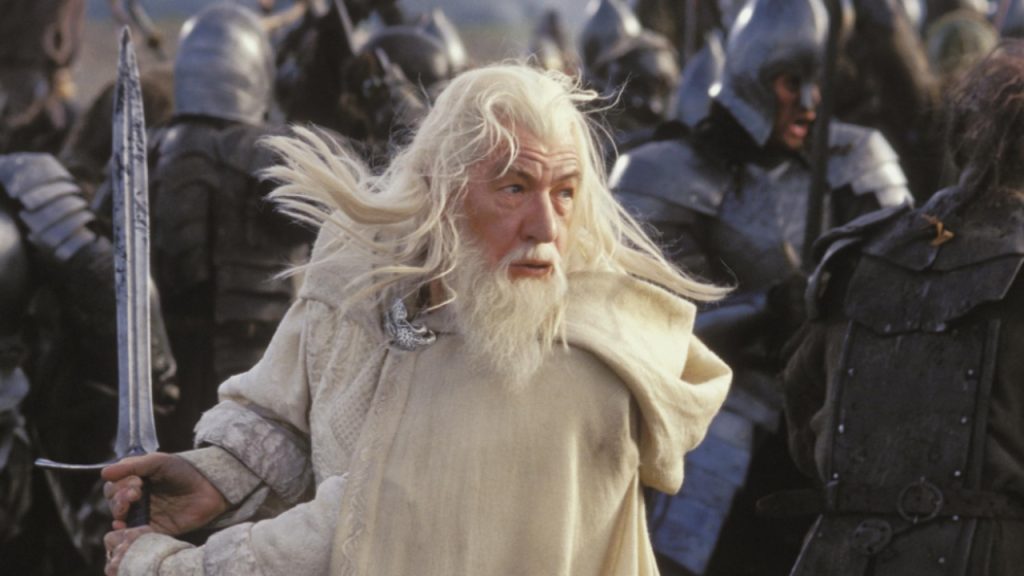
On the one hand, I kind of understand why so many studios passed on the pitch.
Peter Jackson wasn’t as well regarded back then as he is today. His prior filmography didn’t really inspire confidence in producers to hand him nearly $300 million to make such a massive movie. Also, the fantasy genre was nowhere near as popular back then as it is today.
New Line Studios, however, loved the pitch, agreed that it should be three films shot at once, and the rest was history.
The Hobbit is stretched into three movies
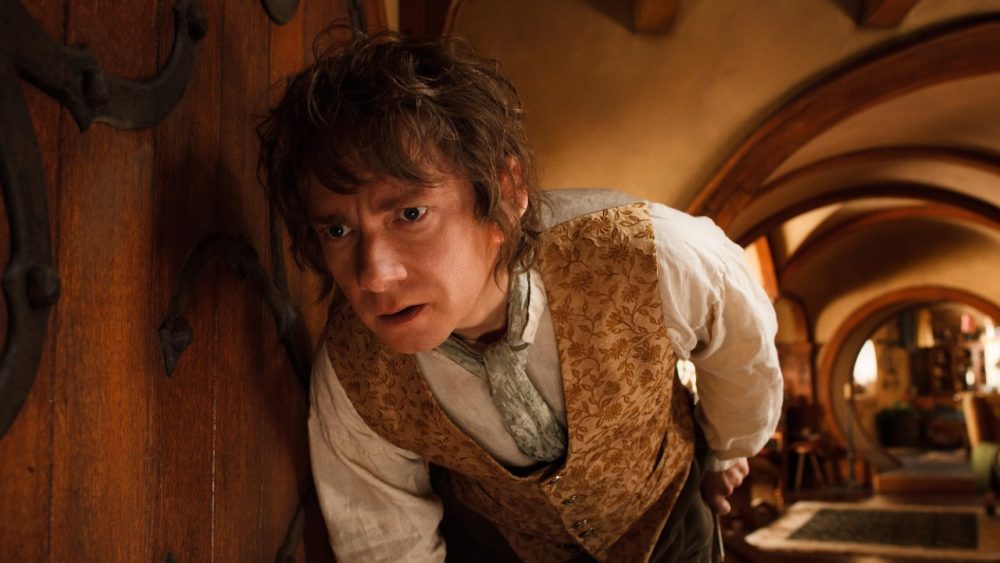
Sometimes you can be a little too confident, though. That’s the case when The Hobbit trilogy was stretched into three films.
It’s one thing when you’re making three movies that are based on three books. Taking one book, that’s already admittedly light on actual plot, and turning it into another trilogy? That’s tempting fate.
While all three Hobbit films were box office successes, they didn’t have the same cultural impact as their predecessors.
Just about everything regarding The Conqueror
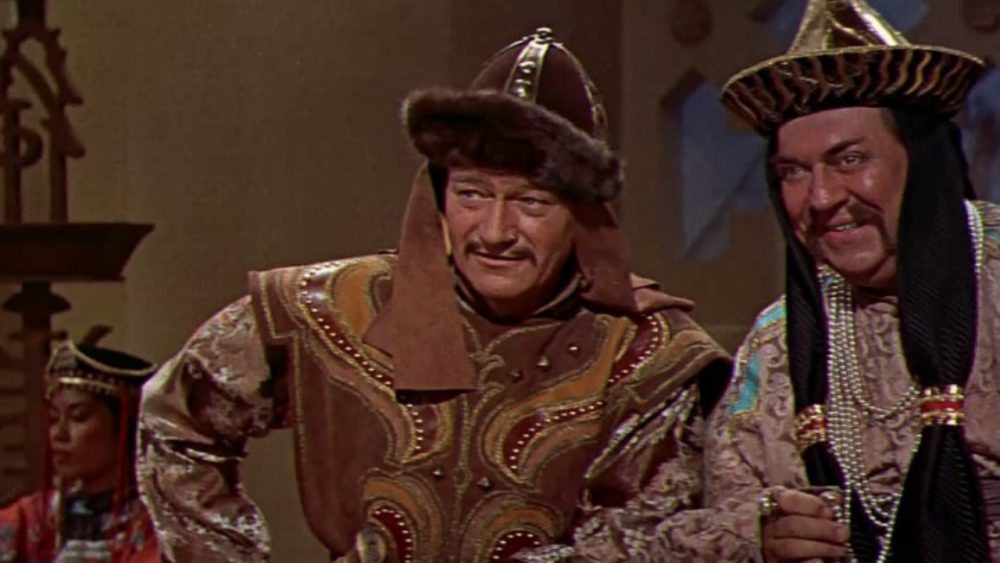
Oh boy, where do we begin here?
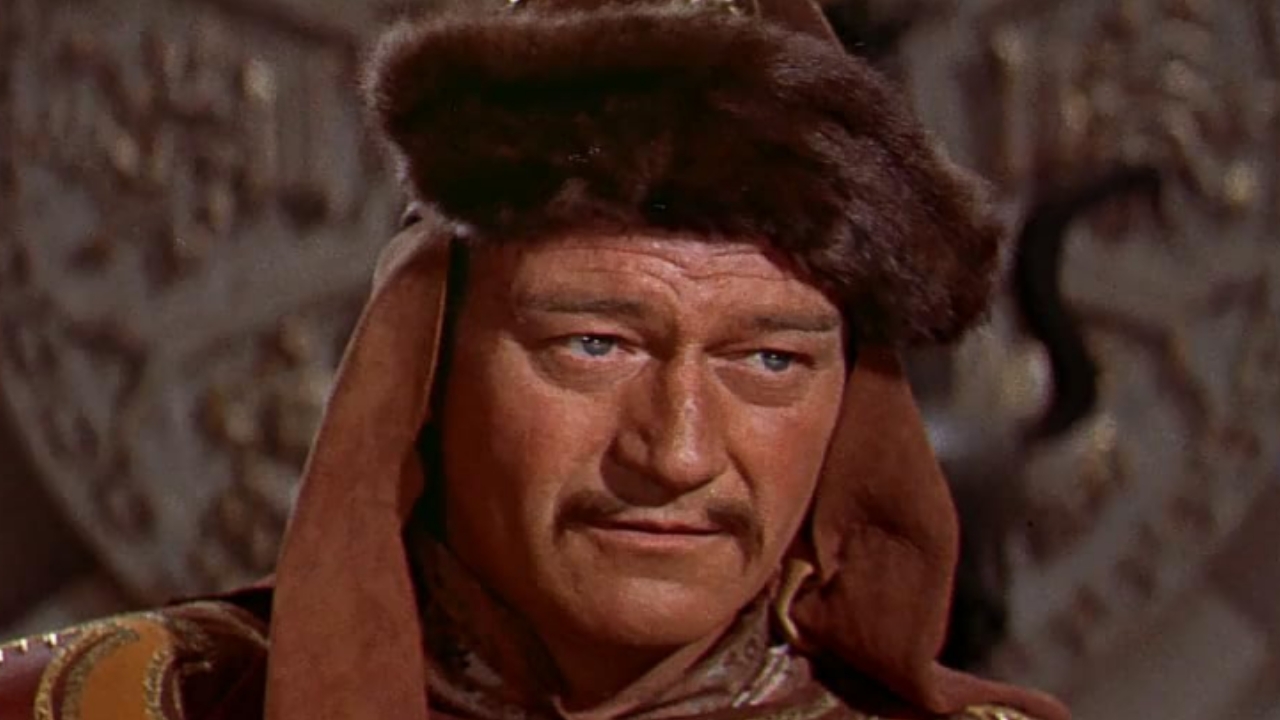
1965’s The Conqueror stars John Wayne as Genghis Khan, one of the most controversial casting choices in movie history. Somehow, that’s not the worst thing about this movie, though.
The movie was filmed near nuclear test sites, resulting in over 40% of the crew developing cancer. 21% of crew members would die as a result.
20th Century Fox sells their backlots
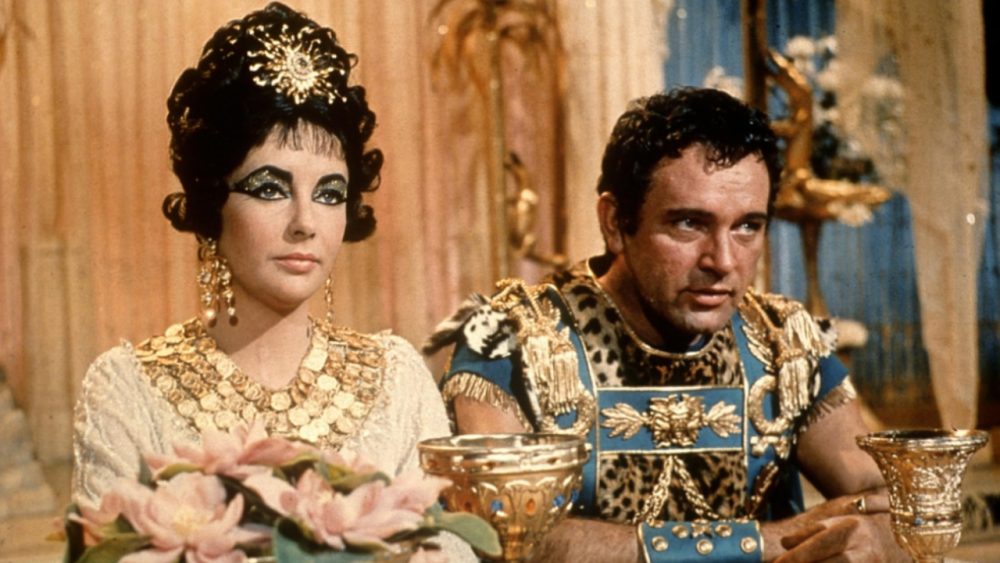
If you’re wondering why there’s an image from the 1963 film Cleopatra on your screen, it’s time for a history lesson.
Not only is it one of the biggest box-office flops of all time, but its poor performance also forced 20th Century Fox to sell its backlots to land developers.
The result was the creation of Century City, a Los Angeles neighborhood where these studio lots once stood. The land was sold in 1961 for $54 million due to the financial strain of Cleopatra‘s bloated budget, among other films. That’s over $500 million today, for what it’s worth.
The Twilight Zone accident
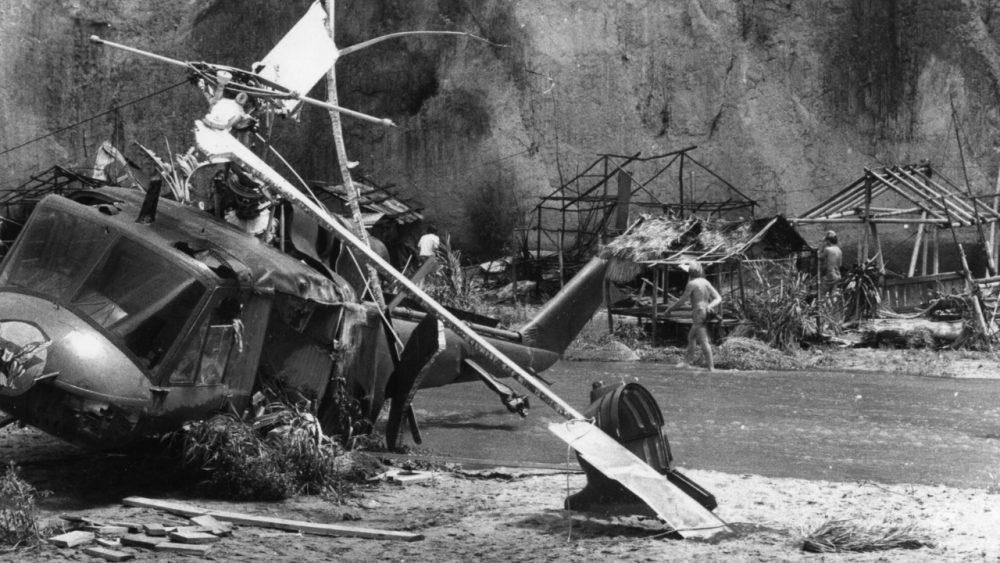
During filming for 1983’s Twilight Zone: The Movie, there was a helicopter crash that would tragically result in the death of three actors (Vic Morrow and two child actors).
To make matters worse, John Landis (yes, that John Landis), who was directing this portion of the film, violated child labor laws by hiring the two child actors without proper permits.
The accident’s aftermath led to sweeping safety changes that would affect the entire industry.
Heaven’s Gate
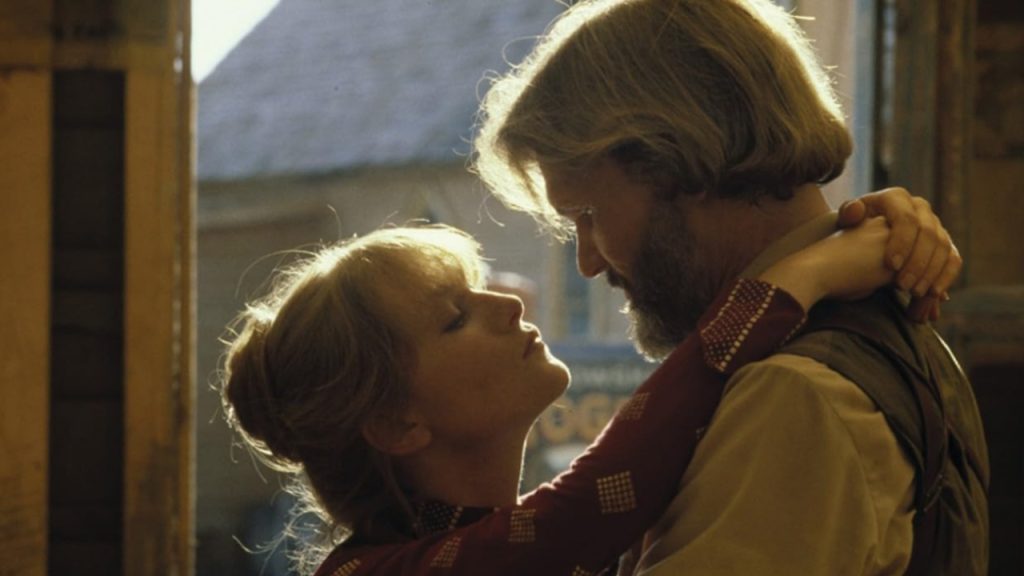
Following the success of Michael Cimino’s The Deer Hunter, he was given a $44 million budget for his 1980 follow-up, Heaven’s Gate. It completely flopped at the box office, but that’s not why we’re talking about it today.
The film’s negative publicity led the owner of United Artists, which distributed it, to sell the studio. It also ended an era where filmmakers were given free rein by studios, resulting in more studio control and oversight.
This marked the end of the New Hollywood era of filmmaking. Combined with the success of Jaws and Star Wars, a new era of Hollywood was upon us, and the disaster that was Heaven’s Gate was the final nail in the coffin for the old guard.
The Disney Star Wars movies
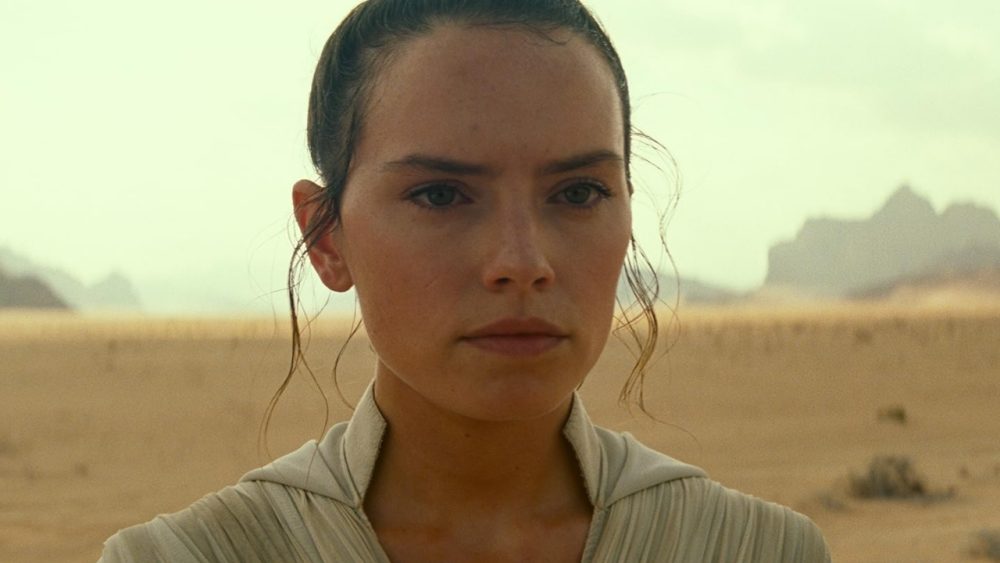
Well, since I brought it up, let’s talk about how much Disney has fumbled something as big as Star Wars.
Its return to the big screen with 2015’s The Force Awakens rightfully excited fans, even if it did a good job of simply replaying all the hits from the original trilogy. Its successor, The Last Jedi, took a big step forward with its risk-taking. The result was a major reassessment of the plot of The Rise of Skywalker, which has been universally panned by critics and fans.
It doesn’t stop there, though. You can argue that Star Wars has been milked to death with so many television spin-offs and movies that the franchise has lost its luster as of late, highlighted by the collective shrug surrounding the release of The Mandalorian and Grogu, the franchise’s first theatrical release in over six years.
Follow us on MSN for more of the content you love.
Read More:
- 12 best TV shows of the 2000s
- 11 box office flops that deserved better
- 11 classic sitcoms everyone still loves to watch