My Little League scouting profile would probably read as follows:
“Tall, lanky kid with scrawny arms, no power, but good contact skills and fast on the bases.”
I came close to hitting a home run once or twice, but my real talent back in the day was running out infield singles. It reached a point where my coach would say, “Jake, just bunt and cut out the middle man.” So that’s exactly what I did. I bunt, steal second, and let better hitters drive me in. I was our “secret weapon.”
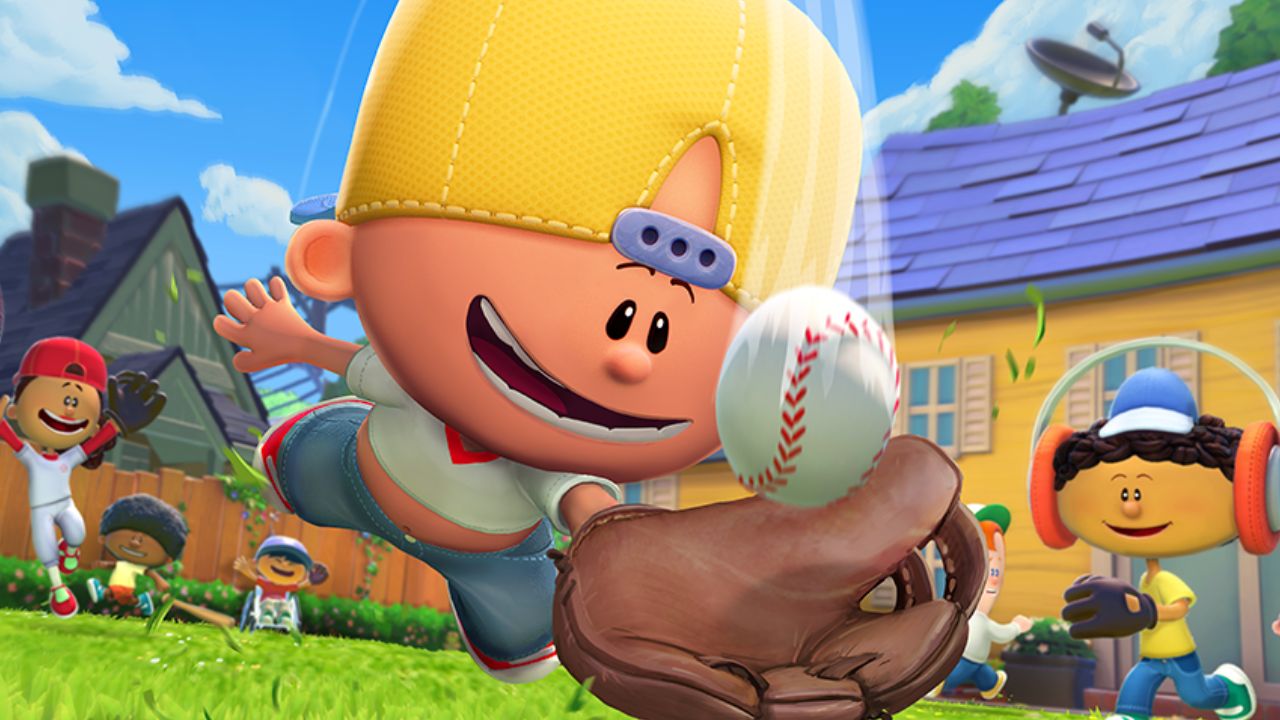
The strategy helped propel the Medford Giants to a Championship that year, one of the best moments of my childhood. Sadly, I was unable to parlay that “success” into a big league career, and by the time I was too old for Little League, my baseball playing days were over. So much for being the secret weapon; I should leave that to Pablo Sanchez, who is finally back after far too long. While the return of Sanchez and the rest of the Backyard Baseball crew is very welcome, it’s entering an interesting space in the sports genre. However, I’d argue that it’s one where it firmly belongs, even if this isn’t a perfect experience.
For better or worse, Backyard Baseball captures the very best of, well, backyard baseball
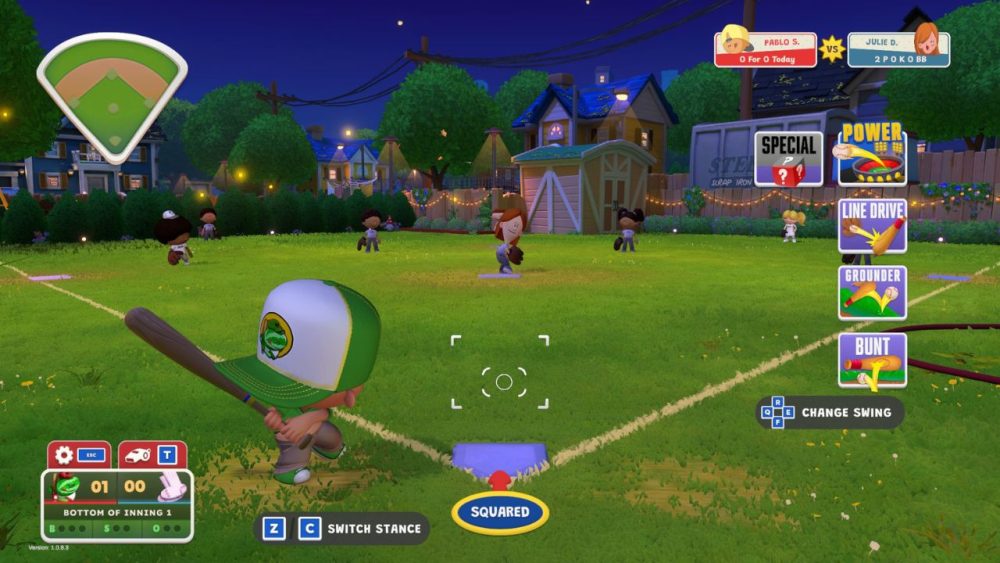
It’s important to note that off the bat (pun not intended), you shouldn’t be comparing Backyard Baseball to MLB The Show 26. First, Pablo Sanchez is actually a clutch player, unlike Mr. Low Leverage Aaron Judge, who graced the cover of The Show this year. Second, one is a casual baseball game played by kids of varying skill levels, while the other is a professional simulation experience.
This was something that threw me for a loop at first. I was confused and perplexed: why couldn’t people easily get doubles on balls that reached the outfield wall? Why was I struggling to throw the ball across the diamond to throw the runner out? Why was everyone so slow? Then it hit me: it’s a game of backyard baseball with kids, and guess what that entails: kids who are unable to do everything I just mentioned.
Once I started playing it as if I were back in Little League, fully aware of the limitations of some of my teammates, everything clicked well. It’s nice because the game does a good job of balancing everything between that backyard baseball experience and a more realistic baseball game. I can’t just pound curveballs and paint the corners; batters will wise up to it and punish me. On the opposite end of the spectrum, I can’t always swing for the fences; the field sizes are so small that, more often than not, it’s reminiscent of a Fenway Park single to left field off the Green Monster.
Another thing that helped the gameplay click was finding the right control scheme, which, honestly, is your mouse and keyboard. Yes, it sounds weird, but using your mouse and keyboard just makes more sense. It gives you more control over your batter, fielders, and even baserunning. Is it perfect? No, but then again, these are kids, and they’ll never be perfect. That doesn’t make the issues less disappointing, but it at least contextualizes them.
There’s the promise of plenty of features in Backyard Baseball, but things feel incomplete
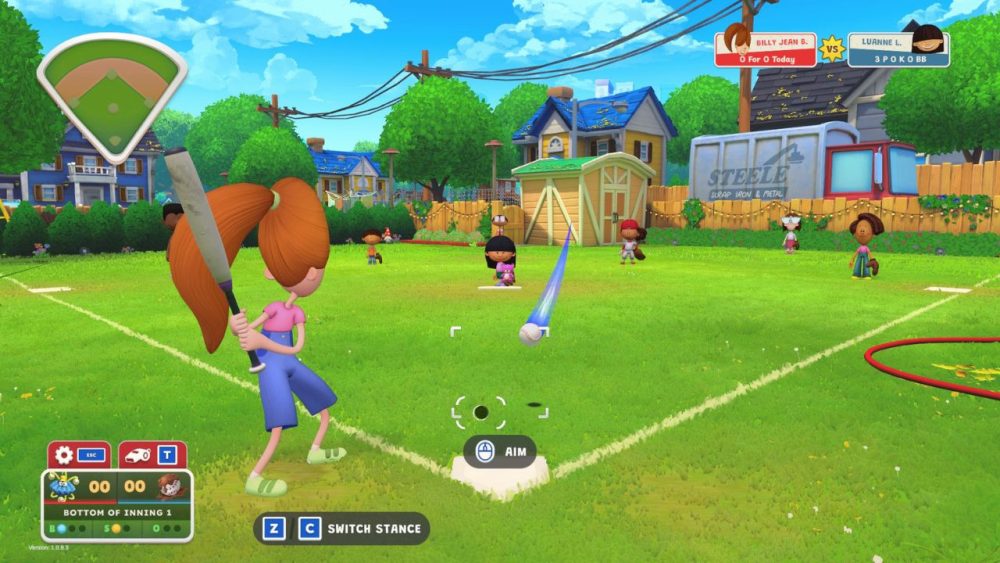
With all that said, and given the familiarity of baseball games, well, since the dawn of time, I’m not sure why there was even a learning curve here to begin with.
Playing on a controller is a frustrating experience that could never be excused, no matter how clumsy these kids may be. I found myself having to unlearn years of muscle memory from playing old sports games to throw to the right base or get the right baserunner to advance a base. It’s just needlessly confusing and off-putting, and sadly, I wouldn’t be surprised to see many people get turned off from the very beginning.
Once you get past that initial wall, there’s a decent amount of content waiting for you, whether it’s quick play, Home Run Derby, or league play. Normally, I’d include online multiplayer in here, but it’s not available at launch yet, which brings me to another issue here.
Despite being advertised as a full release, Backyard Baseball feels like an early access game. Aside from the missing feature, there’s a lack of polish here. The game can run a little sluggishly at times, and the AI can make some confusing decisions. The way it picks certain outfielders to control when the ball is in play can be quite puzzling at times, leading to giving up extra bases that otherwise would have been prevented. This isn’t something that you can ignore as “inexperienced kids playing baseball.” It’s something that shouldn’t be happening, especially with its $40 price tag, and that’s where the frustration really piles up.
For all of those moments, though, there’s so much charm and whimsy that keeps me coming back. It’s not as deep as The Show, but it’s certainly more fun.
More personality than MLB The Show
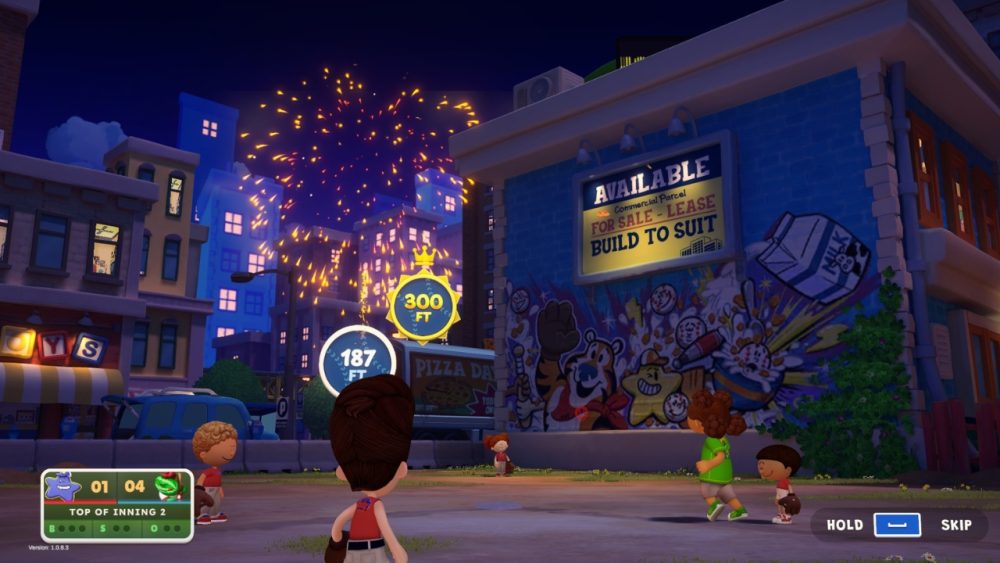
To be honest, I expect Backyard Baseball to be packed to the brim with personality. For all the flair and style MLB The Show has tried to portray in recent years, it always comes up short.
Part of that is their choice to display Aaron Judge, who has the personality of a fish, on the cover. That’s not me doing some roasting as a Red Sox fan; the man is boring. You had Elly De La Cruz on the cover last year. Sure, Francisco Lindor and Juan Soto are stuck in the nervending purgatory that is the New York Mets, but they’re filled with personality. Bobby Witt Jr. is a legitimate rising star, even if he’s stuck on a bad Kansas City Royals team. Bryce Harper of the Philadelphia Phillies, the team that just hosted the All-Star Game, may have already been on the cover, but his teammate Kyle Schwarber, who leads the league in home runs, hasn’t before.
All of this is to say that Backyard Baseball doesn’t suffer this problem. Pablo Sanchez is still larger-than-life, but he’s backed up by a strong supporting cast, featuring Kenny Kawaguchi, Pete Wheeler, Keisha Phillips, Luanne Lui, and more. You also hear the constant on-field banter, heckling the opposing team, contributing lively chatter, and delivering a surprisingly immersive experience, even if things are also a little lacking in terms of polish here too. Add in the franchise’s trademark special pitches and bats, adding a little extra flair and over-the-top nature to the game, and that’s just the icing on the cake. IUt’s something that blends nicely with the traditional baseball strategy on display here.
Perhaps the most surprising aspect is the game’s commentary, which, somehow, has fewer repeated lines than MLB The Show 26. That’s not to say you won’t hear the same lines over and over, but it’s refreshing to hear more than the same generic banter that I’ve come to expect in sports games.
Backyard Baseball: Final Thoughts
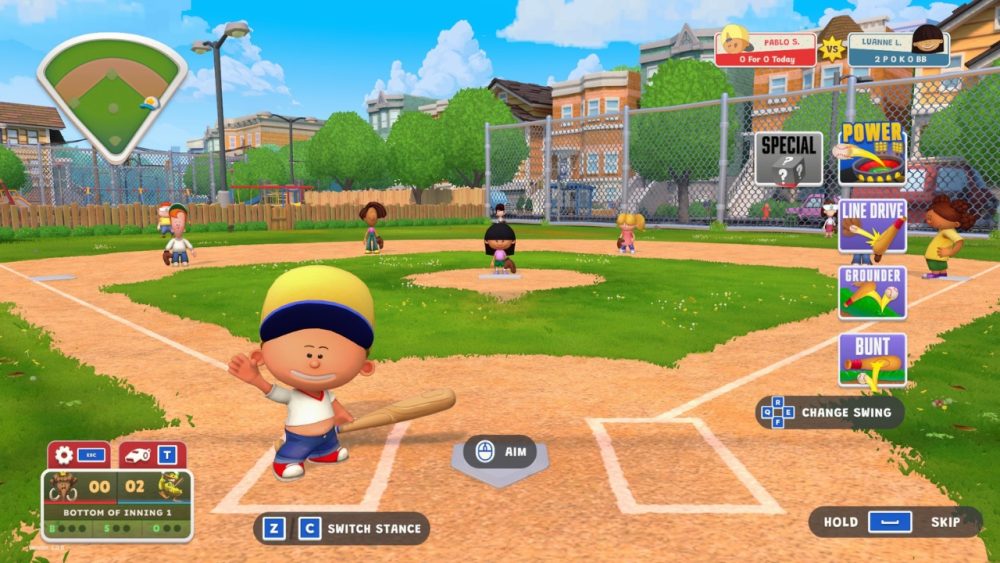
It’s something that helps Backyard Baseball overcome its flaws, which there are, unfortunately, several of. At its heart, this feels like an old-school flash game that isn’t afraid to feature some of the more modern features and content you’d expect from a sports game in 2026. While it doesn’t always stick the landing, I’ve found myself repeatedly coming back for more.
“Just one more game,” I tell myself. That one game quickly turns to two, then three, and then next thing I know, it’s been an hour.
Even in its “Early Access” state, Backyard Baseball is a blast, and I hope that the team at Mega Cat Studios keeps working to improve the experience.
PROS:
- Plenty of personality and style
- An authentic “backyard baseball” experience
- A good mix of simple and strategic baseball gameplay
CONS:
- Missing features, such as online play at launch
- The control scheme is confusing at first
- Performance can be a little sluggish at times
Follow Outrun Gaming on MSN for more content you love.
RELATED:
- STICKER/BALL Review: Anything goes in unhinged pool roguelike
- ShantyTown Review: Defy gravity in new urban city-builder
- ChainStaff Review – Heavy Metal