
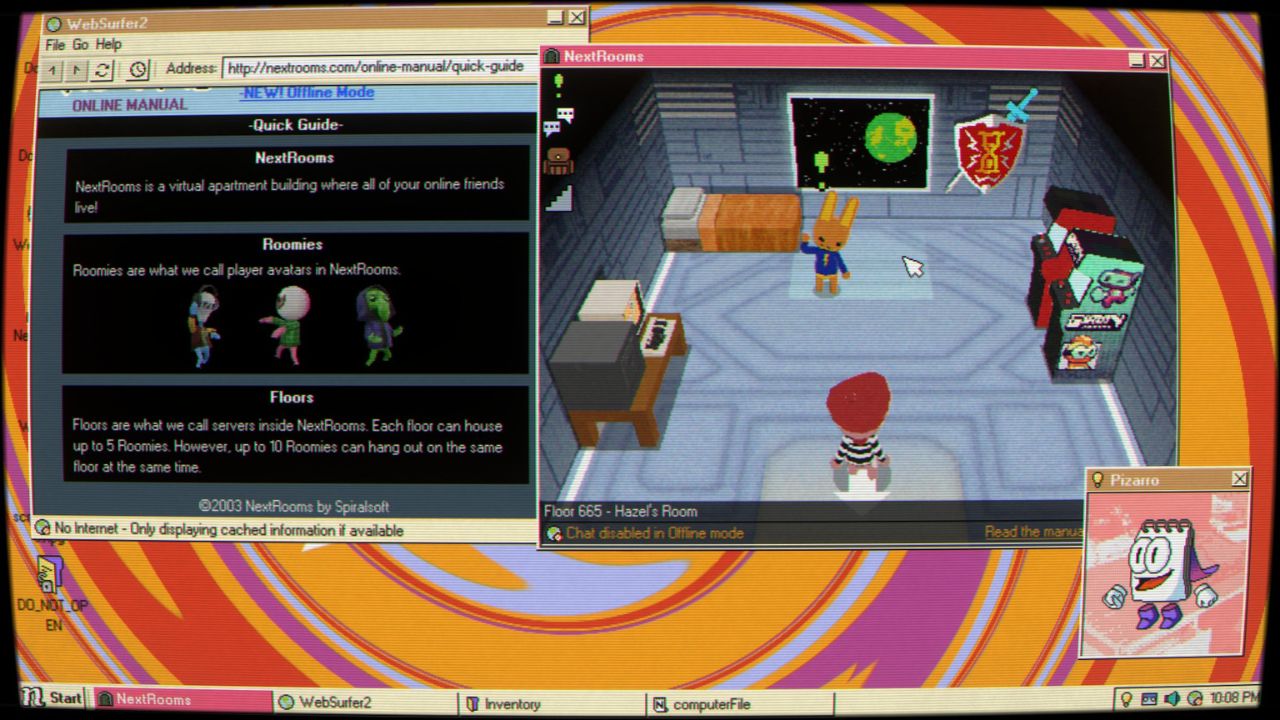
Nostalgia can be a powerful tool, and Desktop Explorer knows this.
It’s commonplace in gaming to utilize nostalgic visuals to help elicit emotions or generate curiosity in a game. Part of the reason why the HD 2D visual style we’re seeing in JRPGs is because they call back to the glory days of old, when we were kids playing Chrono Trigger on the SNES.
Desktop Explorer leans into this with its ’90s operating system asthetic. The game takes place on a, well, desktop reminiscent of what I remembered from the good ole’ Windows 95 days. It’s an incredibly immersive experience that has resulted in me, on several occasions, pressing the start menu on my keyboard to open the game’s start menu. Everything, from exploring the internet, booting up applications, and opening folders, feels exactly like it did thirty years ago.
A game cannot solely rely on nostalgic visuals, though. There has to be substance along with that style. Thankfully, Desktop Explorer knows this as well, and does an excellent job of diving into what life was like back in the early days of the internet. It wasn’t just about discovering a whole new world of games, online chatting, and web pages. It was about escaping the isolation and loneliness that would stem from everyday life and the trauma that reality would have a habit of bringing with it.
Desktop Explorer often feels like a callback to the days of the old internet
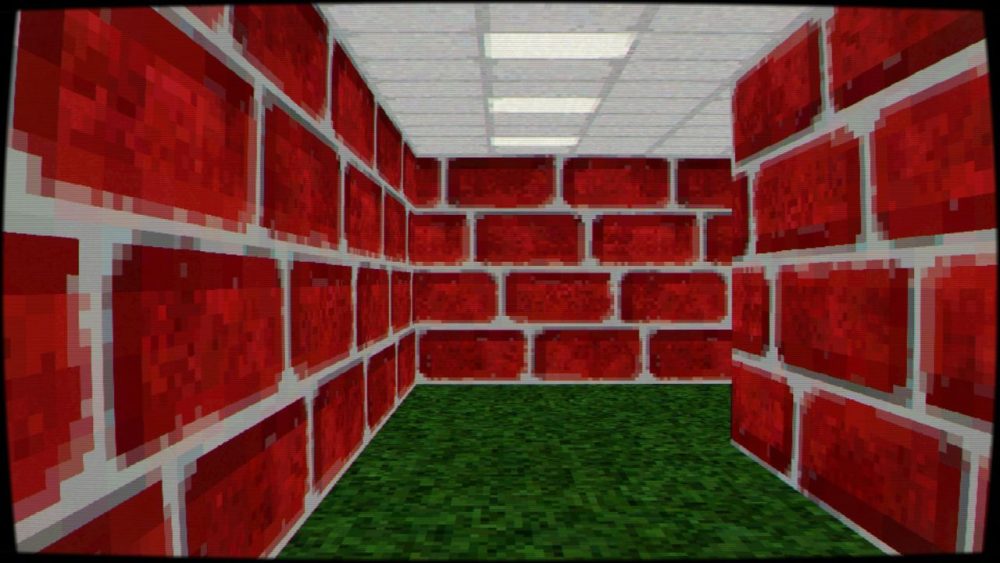
I was fortunate enough to have a decent enough social life growing up as a kid in the suburbs of Boston, Massachusetts. I was active in youth sports and had several friends in my neighborhood who would all routinely come together to play backyard sports. It wasn’t perfect, though.
I was the only kid on the block without a younger sibling, which resulted in me not always feeling like a part of the group. I wouldn’t understand certain references, feel like I was missing out on what others were experiencing, and even at times felt like an outsider. Despite all of the social interaction I was lucky enough to partake in, it still felt isolating. Sure, these kids were my friends, but something still felt like it was missing.
The internet helped me find what was missing. My first real social interactions online took place in, of all things, SimCity chat rooms. Seriously, there was an online version of the original SimCity game that was accompanied by chat rooms. It came at an interesting time in my life. Rather than stay in my city’s school system for Jr. High, I started a private school in 6th grade along with roughly 60 other students. I knew one of them from elementary school. Everyone else, though? Total and complete strangers. I wasn’t exactly the most outgoing person in the world, either, so while I would make some friends, including some I still talk to today, let’s not mince words here: I was nowhere close to being popular.
The SimCity chat room, however, was a different story. I was able to talk to so many different people and didn’t have any of the reservations or uncertainties I’d have in real life. It’s a feeling that carried over once I moved on to a Monopoly chat room (a very real thing; I played so many games of Monopoly online as a teenager, even taking part in a ranked ladder). I didn’t have to worry about not fitting in online; Clearly I was a popular kid.
Nostalgic visuals and gameplay in Desktop Explorer help elicit long-lost feelings from inside me
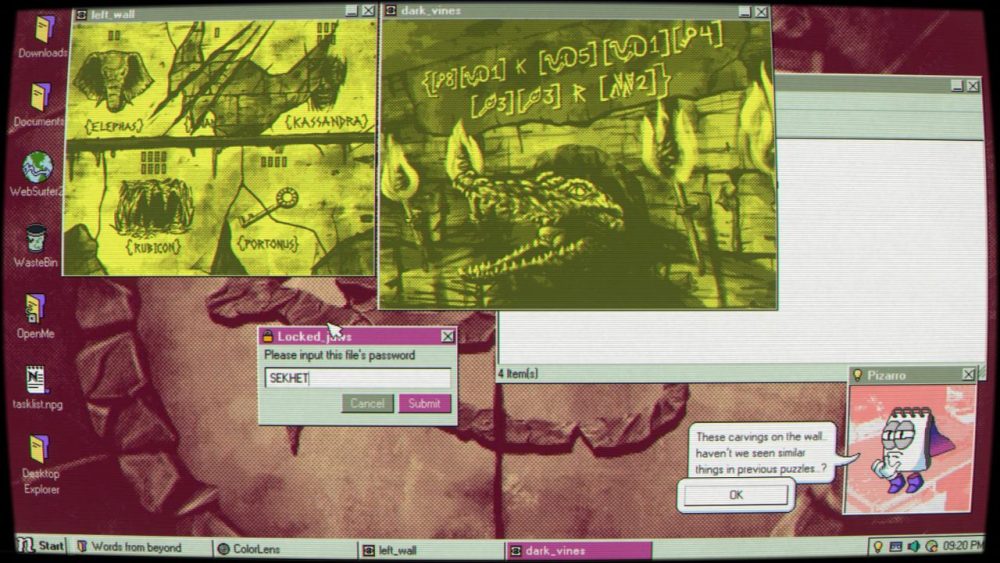
All of this is relevant because Desktop Explorer‘s story perfectly portrays what it’s like living online while suffering through insecurities and fear in the real world.
Today’s internet feels like it features so many dangers and risks around every corner (spoiler alert: it kind of does) that weren’t present 20-30 years ago. Okay, maybe they were, but we just didn’t know any better. In fact, this is something that is a part of one section of Desktop Explorer‘s storyline, where we’re navigating through virtual chat rooms and divulging far too much information to people we’ve never met in person before.
It’s something that hits very close to home for me. I was a young teenager, going through a lot, as teenagers are prone to do. I had no one to talk to about everything…except these random people online. They were, for lack of a better term, my therapists, helping me get through the day. Playing through this section of the game was more than an immersive experience that took me back to playing games on my old-school Windows computer. It took me back to what it was like living my day-to-day life during a time I was playing games on my old-school Windows computer.
This is why Desktop Explorer‘s ability to utilize nostalgia not just as an asthetic but as a driving force for the entire game is so impressive. I came in expecting a visual novel taking place in a unique setting with some psychological horror elements. I came out being hit with an emotional gut-punch of an experience that tapped into the deepest recesses of my childhood.
Follow Outrun Gaming on MSN for more content you love.
RELATED →
- Indie roguelike deckbuilder Fogpiercer gets extensive new update
- Wacky music-tycoon game OFFBEAT dances into Steam Early Access
- Alpha Dog Games reclaims independence after Microsoft closure