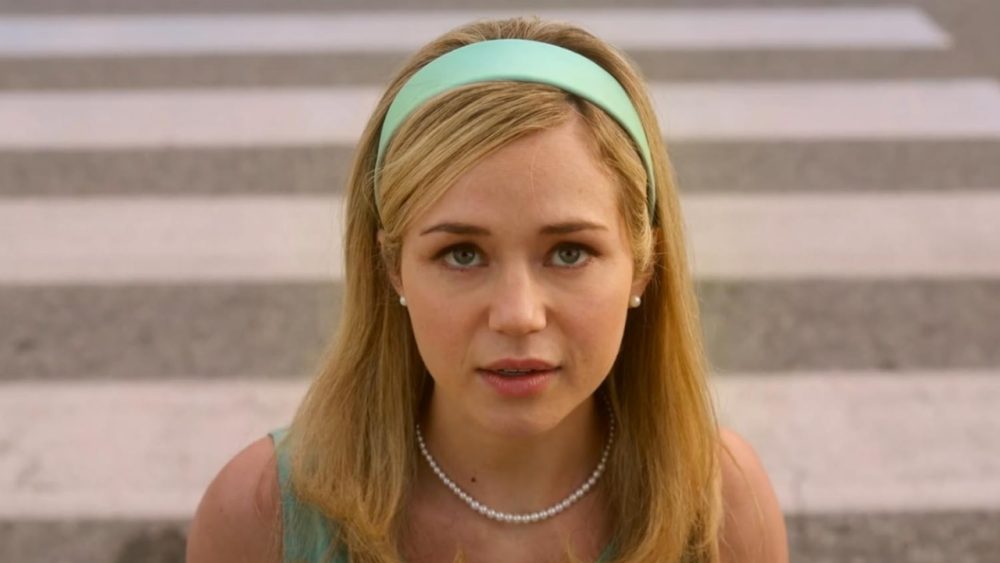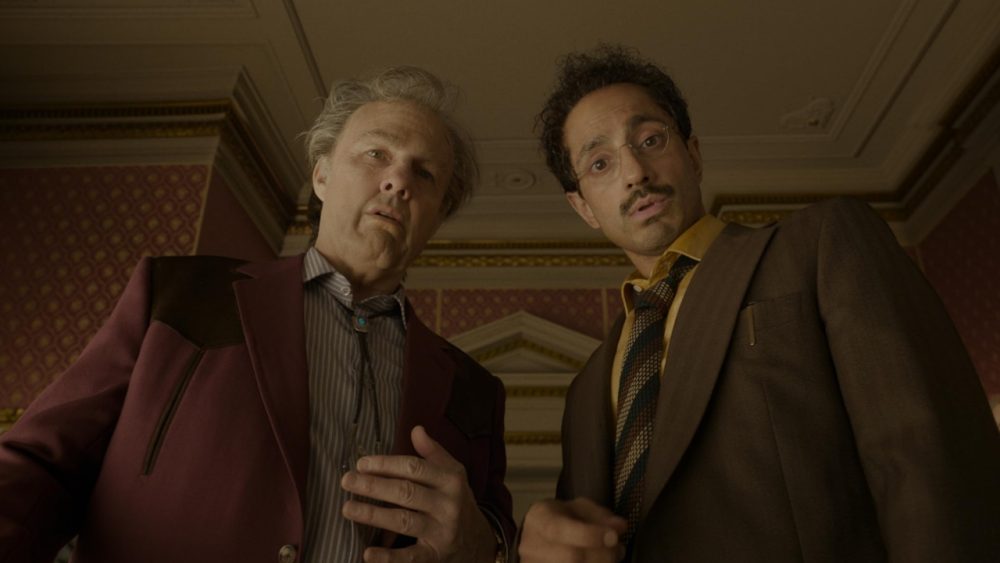

The “white savior trope” in Hollywood refers to when a white person is depicted as someone saving, uplifting, or liberating non-white people.
Normally, these types of films are made with good intentions, and some of them have even become critically acclaimed and award-winning. That said, surely there’s a way to tell these stories from the minority’s perspectives, especially when a movie is based on a true story.
With that in mind, these are the white savior films throughout Hollywood’s past that could use a rewrite or rework today.
The Blind Side
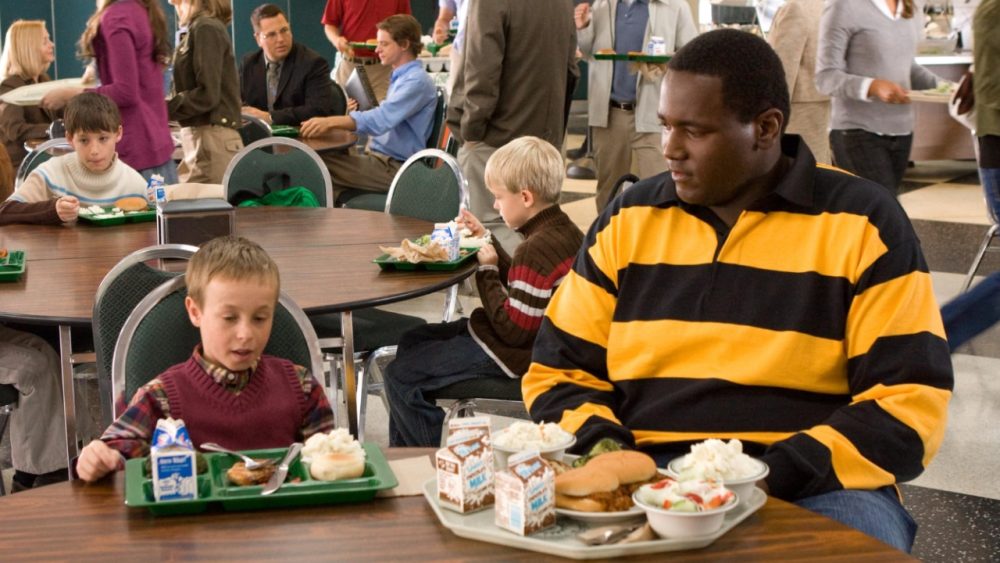
If it were up to me, the only rewrite I’d give The Blind Side is to highlight how problematic the Touhy family actually is.
Michael Oher, subject of the film, is taken in by the Touhy family from foster care before building a career as a professional football player, eventually being drafted by the Baltimore Ravens. That part is true. However, Oher filed a lawsuit against the Touhy family, saying they never actually adopted him and just made money off his story and the film.
Freedom Writers
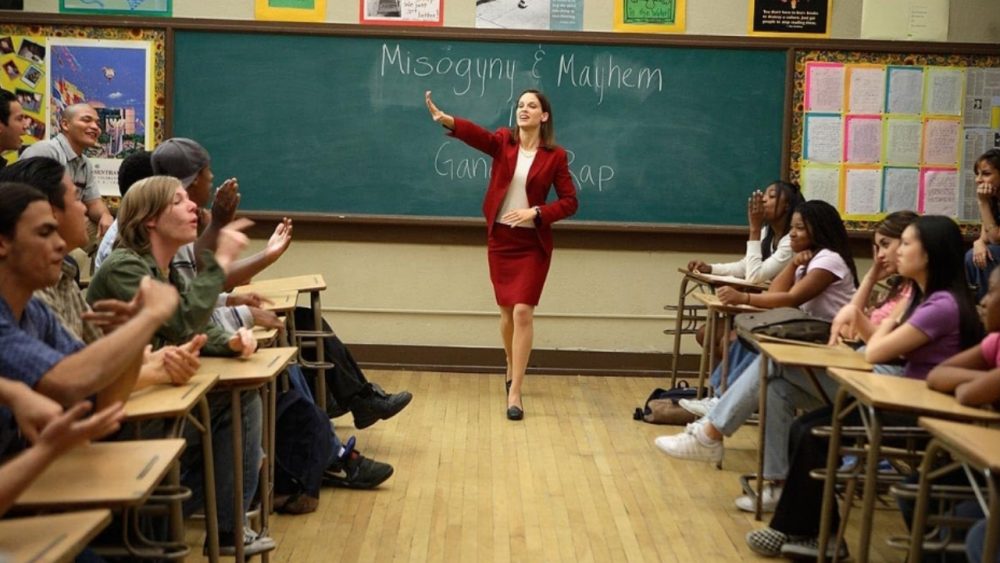
Within the white savior trope are various sub-tropes that are, unfortunately, far too common. One of them is the white teacher looking to “rescue” underprivileged students.
2007’s Freedom Writers is one of several of those films that employ these problematic tropes.
Dangerous Minds
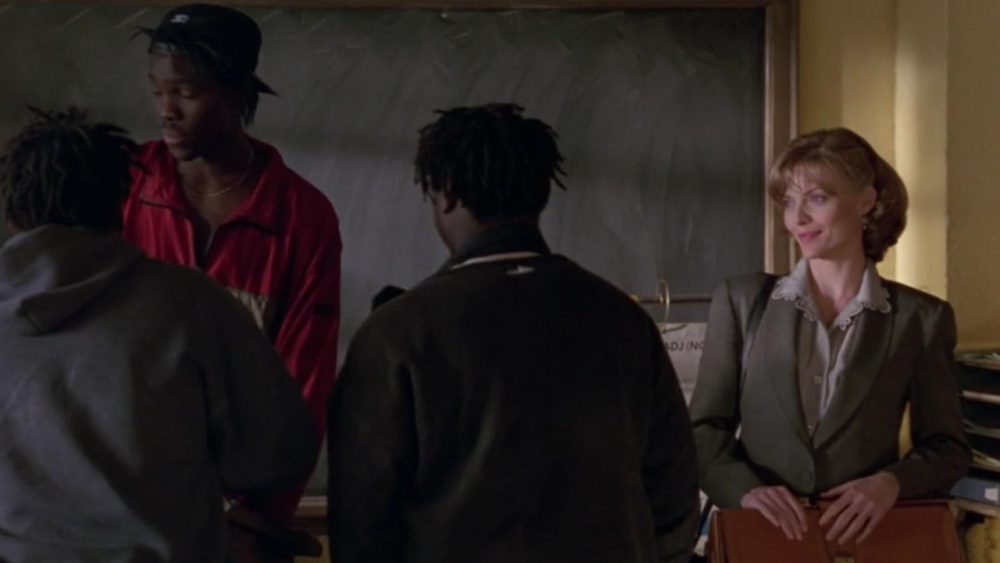
12 years before Freedom Writers came 1995’s Dangerous Minds, which, you guessed it, features a white teacher (Michelle Pfeiffer) teaching minorities at an inner-city high school.
To be fair, Dangerous Minds is also based on the autobiography My Posse Don’t Do Homework by LouAnne Johnson. That said, there are still some unfortunate stereotypes at play here.
Follow us on MSN for more of the content you love.
Finding Forrester
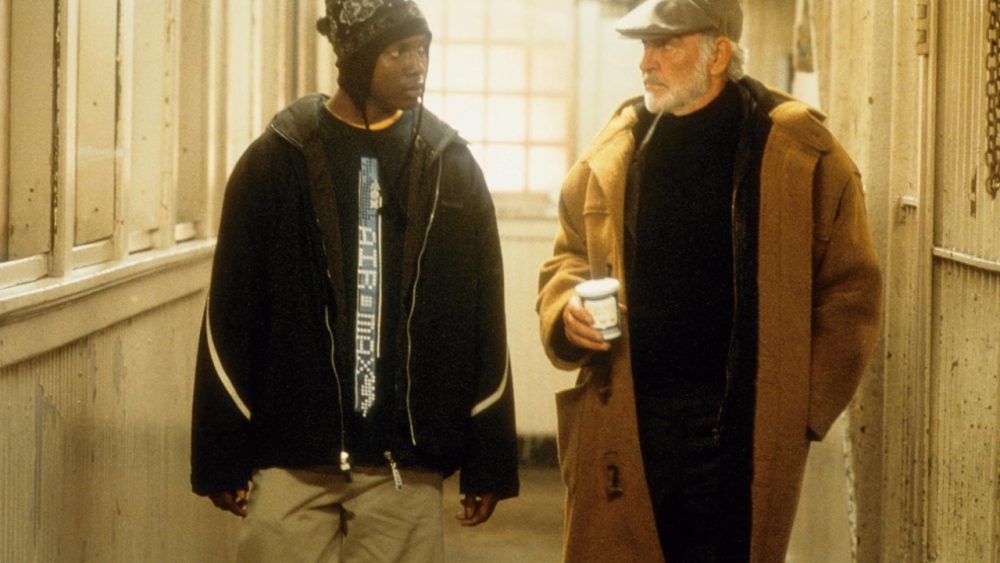
What if Gus Van Sant made a spiritual successor to Good Will Hunting, but Will wasn’t a janitor and, instead, a person of color?
I’m being a little loose with the comparison here, but I mean, when you think hard about it, that’s exactly what Finding Forrester is. It plays a lot of similar beats despite having that one, pretty significant, difference in how the characters look.
Hardball
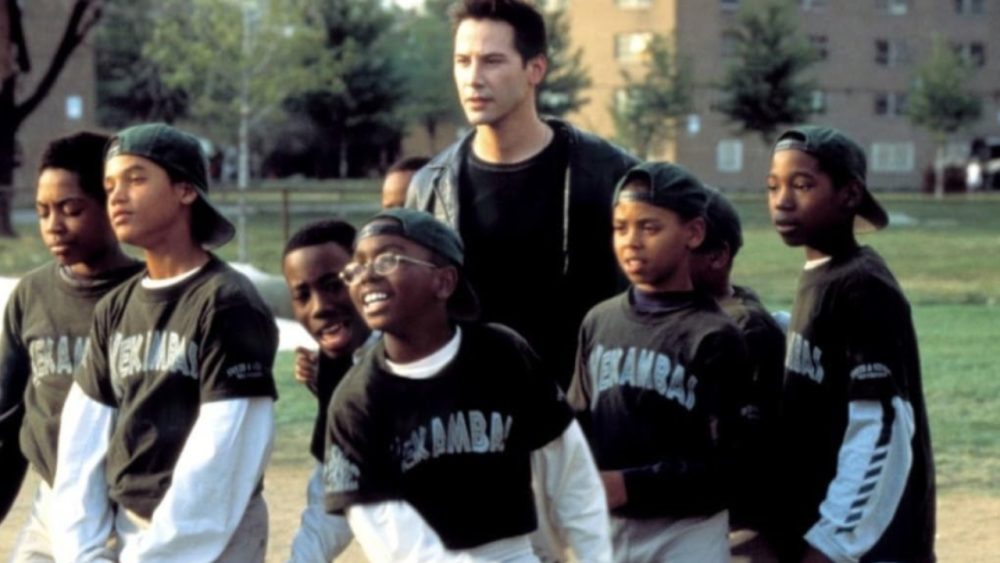
Sometimes the white savior movies, especially ones about helping troubled kids, “dare” to venture outside the classroom.
That’s what happens in 2001’s Hardball, when a white gambler (Keanu Reeves) is forced to coach a baseball team from Chicago’s projects to help pay off his debts. If this sounds somewhat similar to the premise of The Mighty Ducks, only with the white savior gimmick thrown in, then you wouldn’t be the first person to make that connection.
The Air Up There
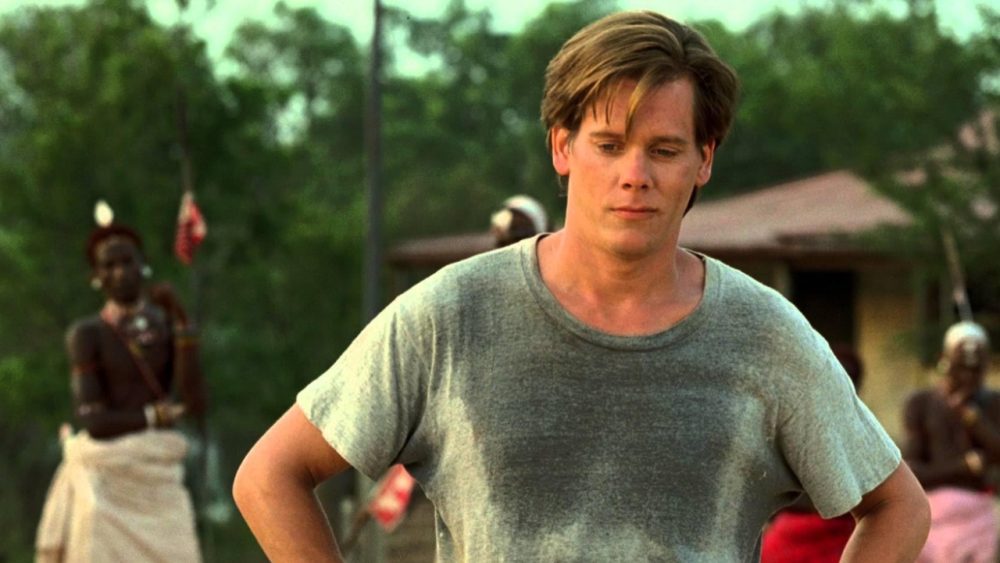
Sometimes, white saviors in sports films travel outside the United States. Such is the case in 1994 when Kevin Bacon travels to Kenya to help recruit a potential basketball player.
It bears a lot of similarities to the trope, as did Cool Runnings. Both films are also comedies, too, but you can’t ignore some of the issues presented with the tropes.
Free State of Jones
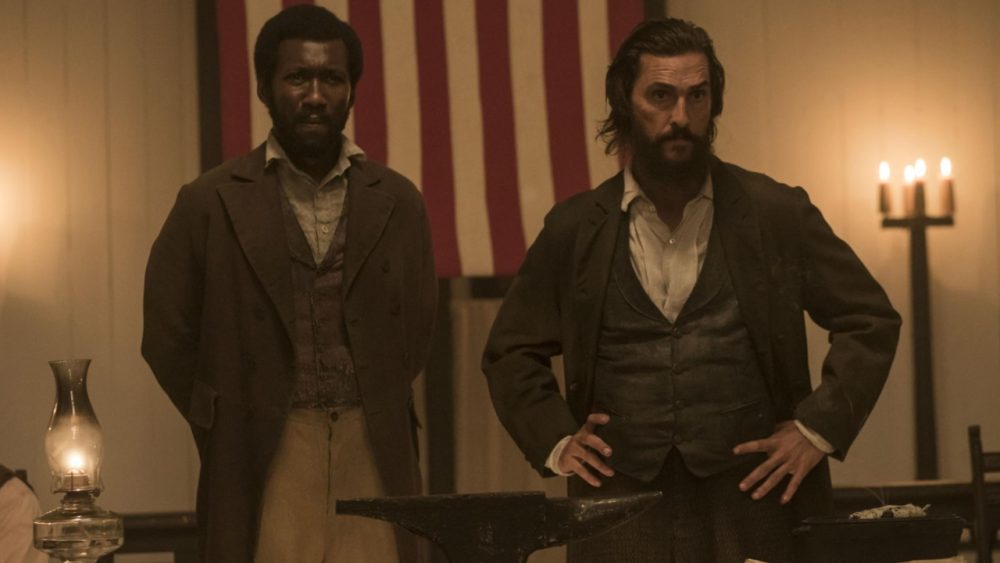
Look, I once again get that Free State of Jones is based on the true story of Newton Knight, a former Confederate soldier who helps freed slaves fight against the Confederates. As was the case in Dangerous Minds, you can’t always change the history of what actually happened when retelling a story.
One thing you can do, however, is make sure you don’t lay things on so thick. There’s less of a dialogue about racial politics here and more of a chance to highlight Knight, played by Matthew McConaughey, as a true American hero.
Green Book
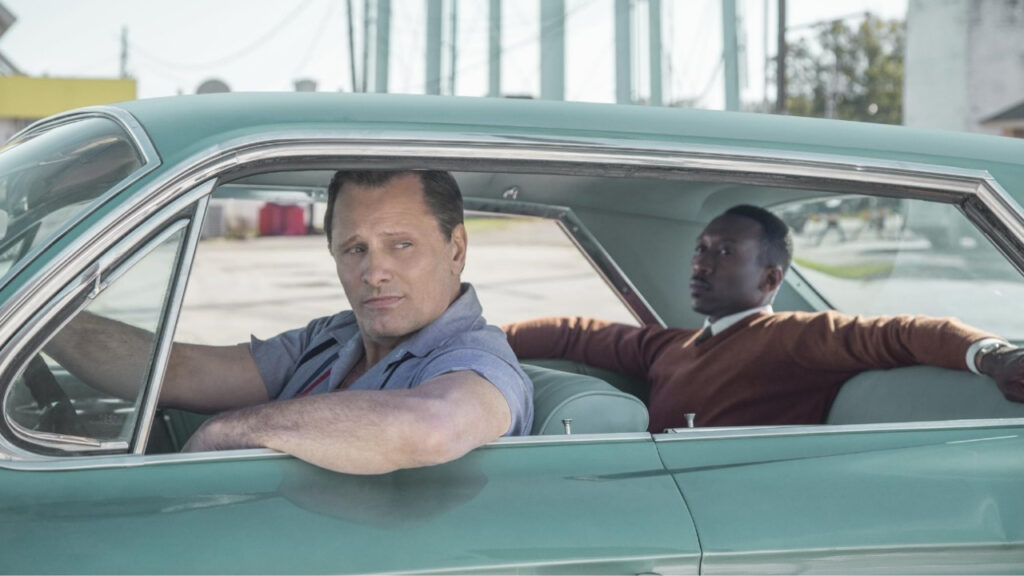
While on the subject of true stories, it feels like a good time as any to bring up Green Book.
The issue here is two-fold. Not only does Tony Lip (Viggo Mortensen) feel like a heavy-handed white savior serving as the driver and bodyguard for Don Shirley (Mahershala Ali), but Shirley’s character also comes with its own set of problematic tropes.
The Greatest Showman
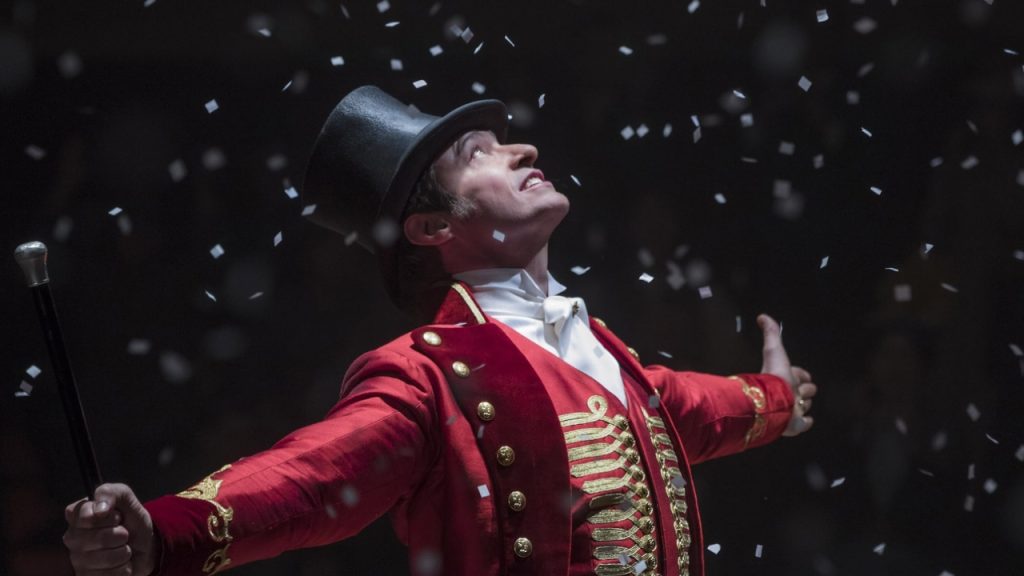
Surely everyone has heard about P.T. Barnum and the Barnum & Bailey Circus. Heck, I went to see it as a kid.
Not everyone has heard, though, that P.T. Barnum is actually a pretty terrible person. The Greatest Showman not only does an insane job of making him actually likable, but also portrays him as a white savior for the disabled rather than the colored.
Hidden Figures
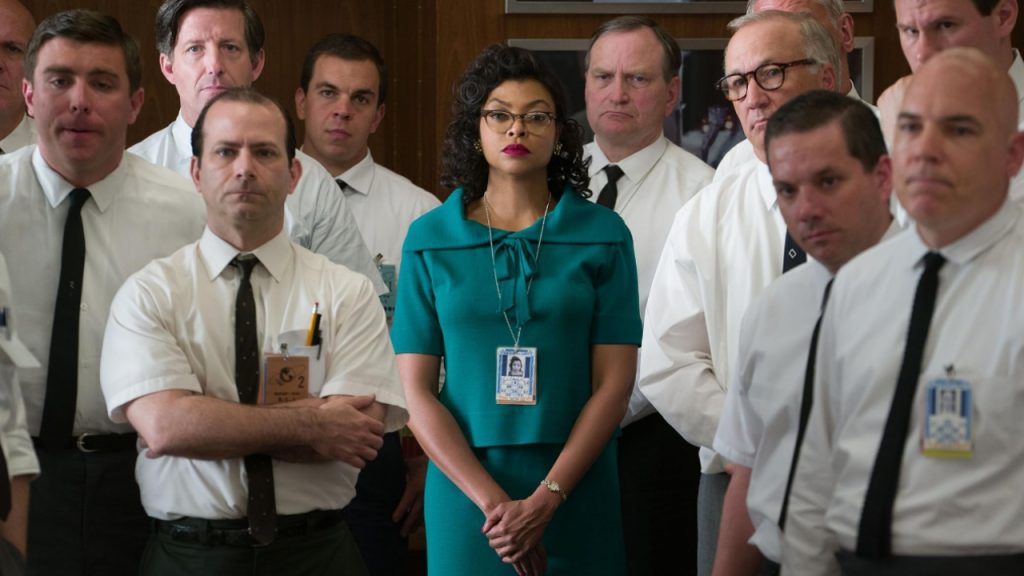
I’ve already talked about how historical true story films can only do so much when it comes to rewriting the white savior trope.
That said, with Hidden Figures, this was actually pretty simple. There’s a scene in the film when Kevin Costner’s character, who plays the white boss of the three African-American women at NASA who helped the U.S. win the Space Race, stands up for these women by letting them use a bathroom that isn’t meant for colored women. There’s just one small, minor issue: that didn’t happen in real life!
The Help

Emma Stone’s character is an aspiring journalist who encourages black maids to share their personal experiences. The film is set in 1963, so you can guess just how those personal experiences went.
Not only does this fall into the white savior trope, but you can also argue that The Help features a white main character exploiting minorities for their own personal benefit.
Mississippi Burning
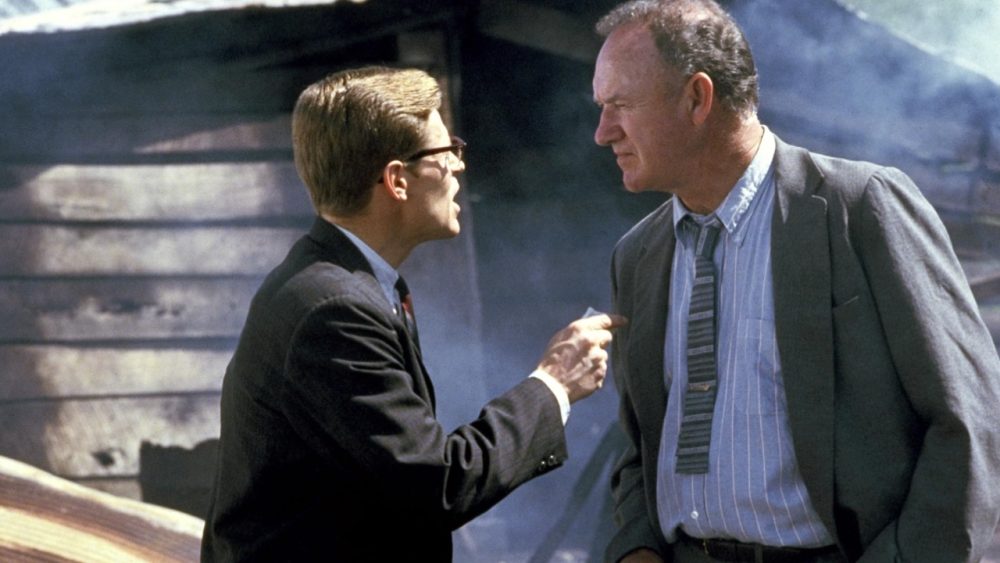
1998’s Mississippi Burning takes place in 1964 and features two white FBI agents (Gene Hackman, Willem Dafoe) traveling to Mississippi to investigate the murders of civil rights organizers, including one who is black.
Director Alan Parker has stated that the casting of Hackman and Dafoe is actually intentional: “The two heroes in the story had to be white. That is a reflection of our society as much as of the film industry. At this point in time, it could not have been made in any other way.” Perhaps today, they wouldn’t “have” to be white.
Indiana Jones and the Temple of Doom
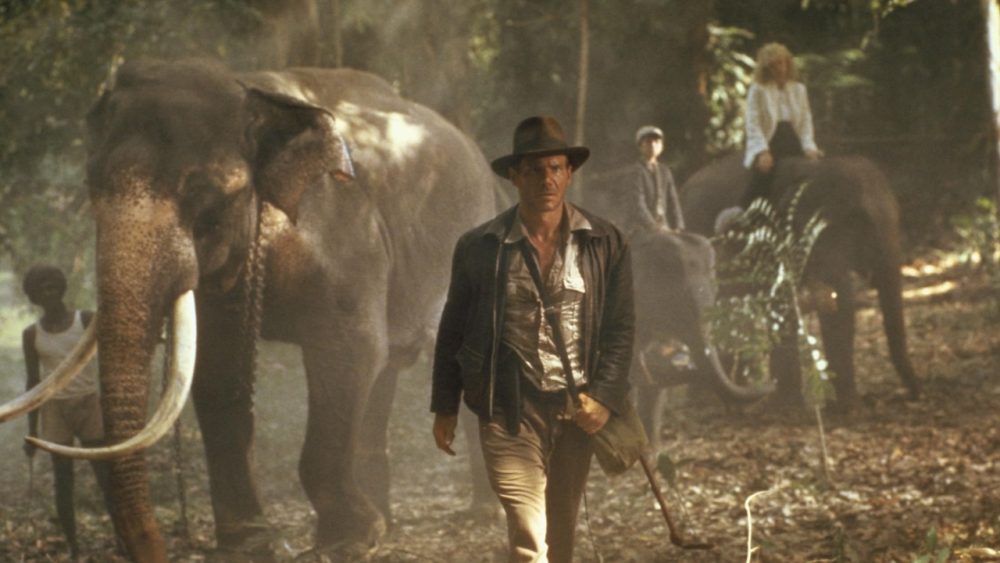
Look, I absolutely love this movie. It’s one of my favorite Indiana Jones films. That said, there’s no denying how problematic it is.
Not only is the white Dr. Jones the one to come in and save a bunch of kids and peasants in India, but there’s also, you know, every other racial stereotype that the film has, especially that dinner scene.
Avatar
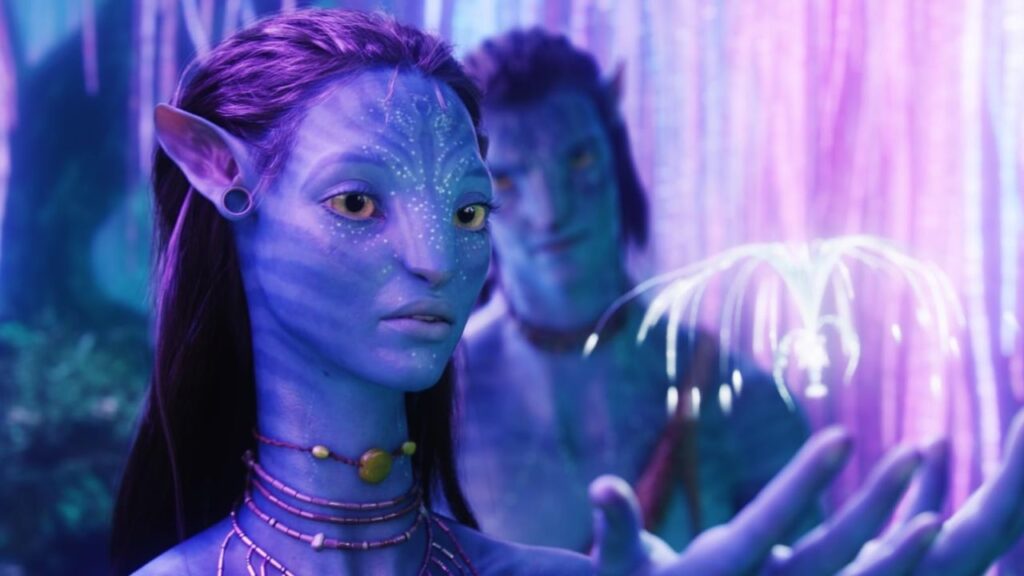
I held out as long as I could on this one.
When it comes to white savior movies in Hollywood, it doesn’t get much more obvious than Avatar: a white guy who assimilates into a Native tribe and leads them to victory.
Dances With Wolves
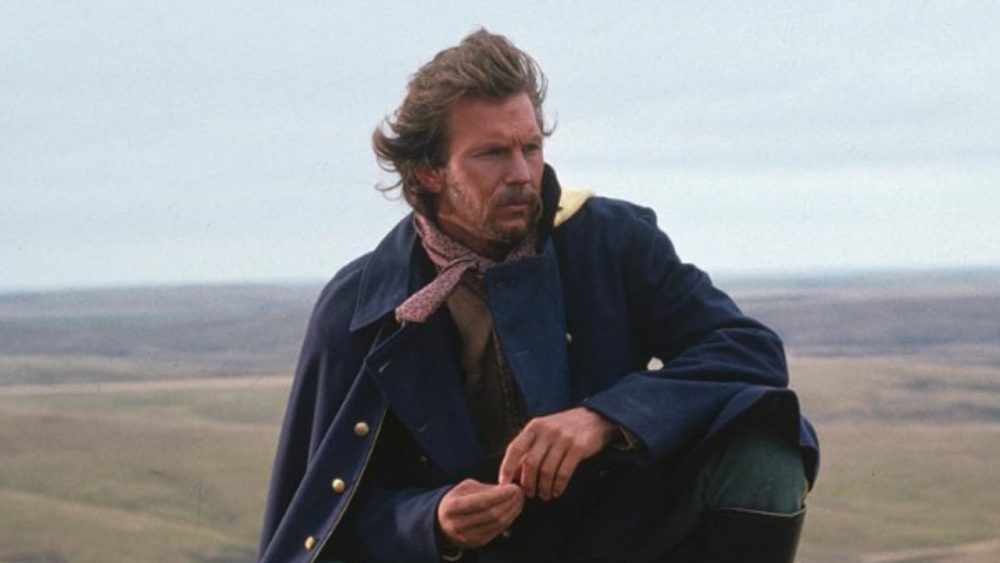
Dances With Wolves is, ultimately, about a white guy who assimilates into a Native tribe and leads them to victory.
Yes, that’s what I just said about Avatar, but since Avatar, like Dances With Wolves, feels very Pocahontas-coded, that makes perfect sense.
12 Years A Slave
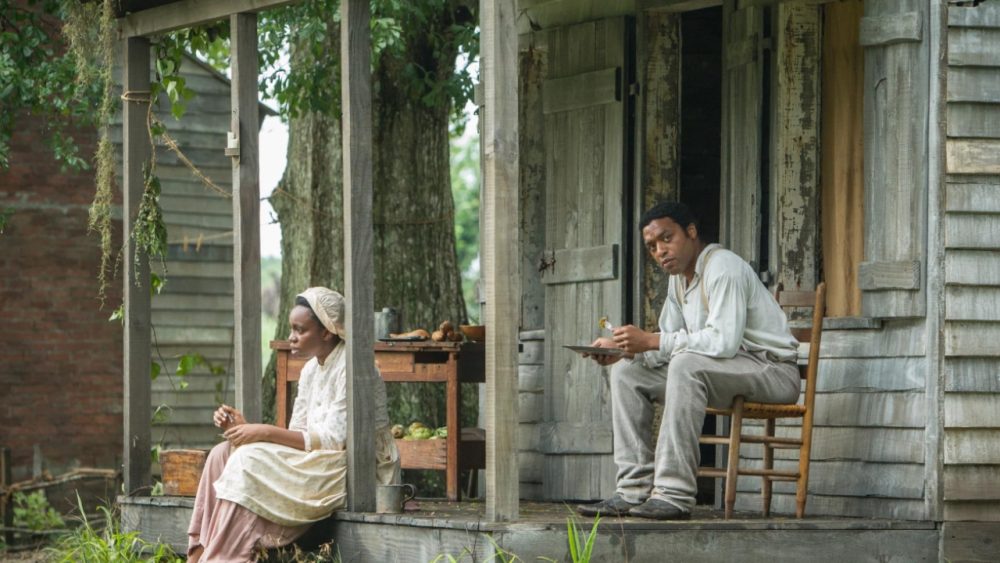
Most of 12 Years A Slave is about Solomon Northup (Chiwetel Ejiofor), but the film’s ending seems to linger a lot on how a white Canadian (Brad Pitt) is the one to rescue Northup from enslavement.
Is it historically accurate? Yes. Did it need to be this heavy-handed? Most certainly not.
Follow us on MSN for more of the content you love.
Read More:
- 14 forgotten movies from the 1990s
- 10 movies that left audiences divided
- 14 movies that made no sense